
Wearing Fine Jewellery to Enhance your Personal Style While Wearing Fashion Stripes…
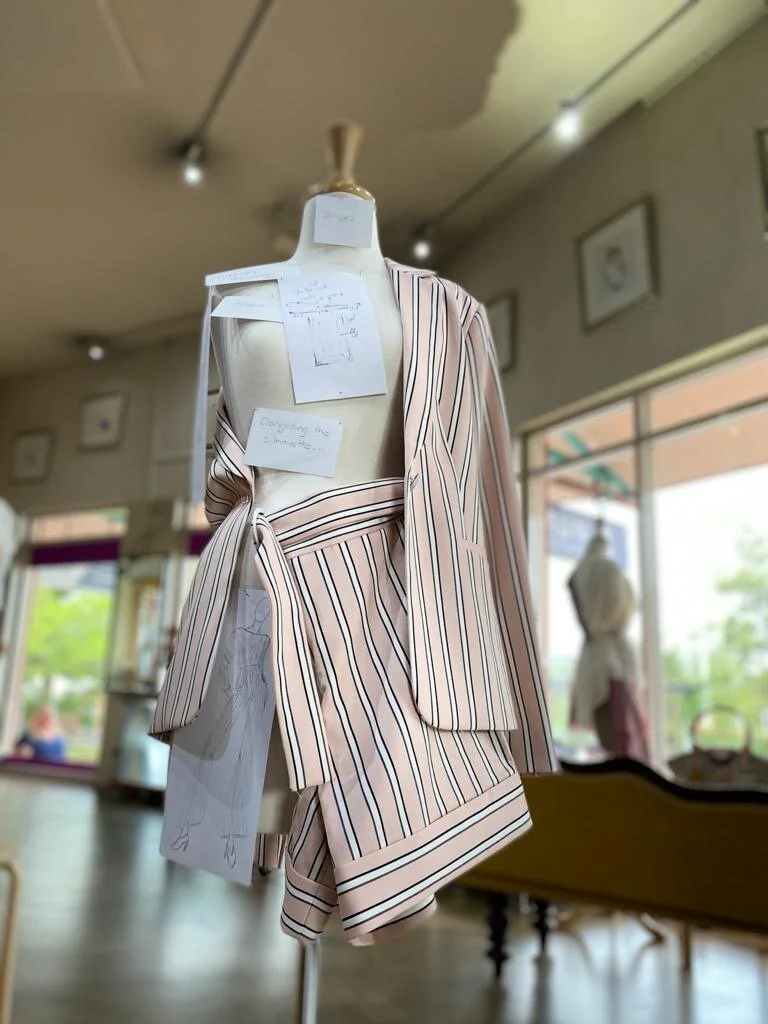
When it comes to the fine jewellery layer of styling your striped fashion you can really choose to either keep your jewellery simple, creating a wonderful touch of harmony or be a little more adventurous and make some bold choices for a creative look. If choosing the latter, think statement jewellery from earrings to oversized necklaces to rings on every finger and bracelets on repeat.
Simple harmony or creative statement…..Which way is more you?
Often when selecting jewellery to work with a great outfit it becomes about mixing the unexpected together, a little like a couple of fashion terms that we refer to often when styling a look, which are “High/Low” and “Day/Night”. Styling a look with “High/Low” or “Day/Night” mixes, feels very satisfying and most of the time we don’t even realise that we are choosing to style that way. So let me just share these fashion terms with you. “High/low” refers to mixing something simple and every day with something dressy and more decadent. Making it easier to wear more luxurious items more often, elevating your everyday style. “Day/night” simply means mixing more casual day wear with something that’s usually reserved for evening wear. Think of wearing your favourite pair of jeans paired with an exquisite sequin evening jacket to lunch with the girls or perhaps reverse the scene, now picture the look on a date night. All this allows us to create unique stylish looks that make others curious.
Jewellery works the same way…let me tell you more.
If selecting jewellery with gemstones to wear with your stripes and harmony is your thing then this can be done effortlessly by selecting gemstones in hues that match the background colour of the stripe. This also applies to the metal colour.
But if you prefer to sprinkle your striped style with jewellery that’s to be the main event then simply challenge the colour way.
This wonderful pattern of lines that work so well on repeat can be worn mixed together or even allowed to clash with opposing lines …vertical, horizontal and diagonal, the same is true when accessorising with jewellery.
When wearing vertical lines you can select jewellery that runs around the wrist or finger on repeat, creating horizontal lines or when wearing horizontal stripes wrap a short chain around your neck with multiply drops draping onto your décolletage creating a wonderful display of vertical lines. Both clashing in a magical way. Fine metal in its solid natural bright hue… can be worn on repeated to accessorise a striped ensemble. Select any one hue or perhaps wear all three together. Bangles are a great accessory choice for this. A bold necklace always makes an interestingly creative choice with stripes but delicate pendants are better left at home… unless worn on repeat.
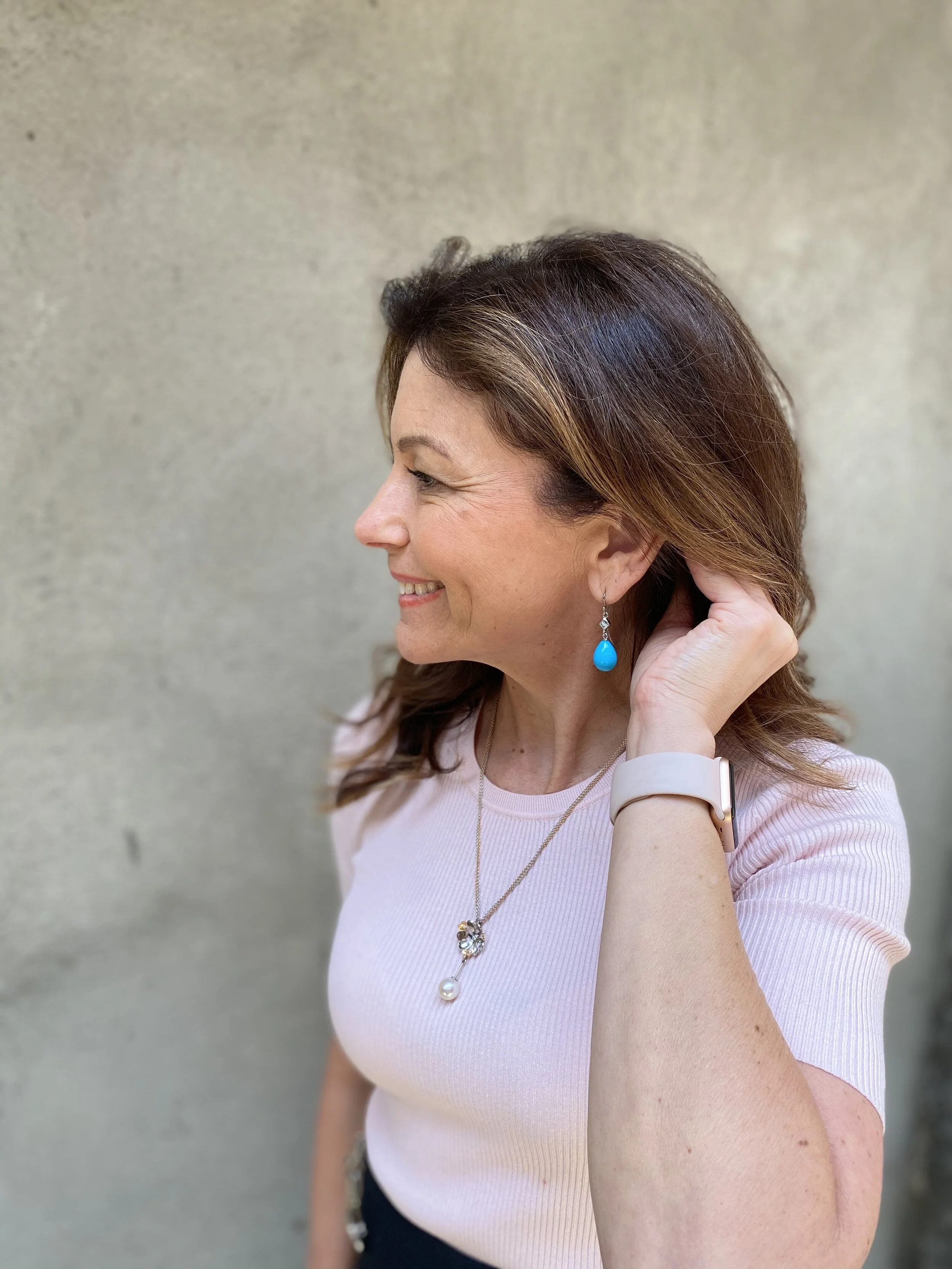
When dropping those must-haves earrings with your stripes go bold for maximum impact.
A jewellery stylist tip here is… “The bolder the stripe the bolder the jewellery needs to be, especially the earrings”.
Let’s talk about a custom ring…
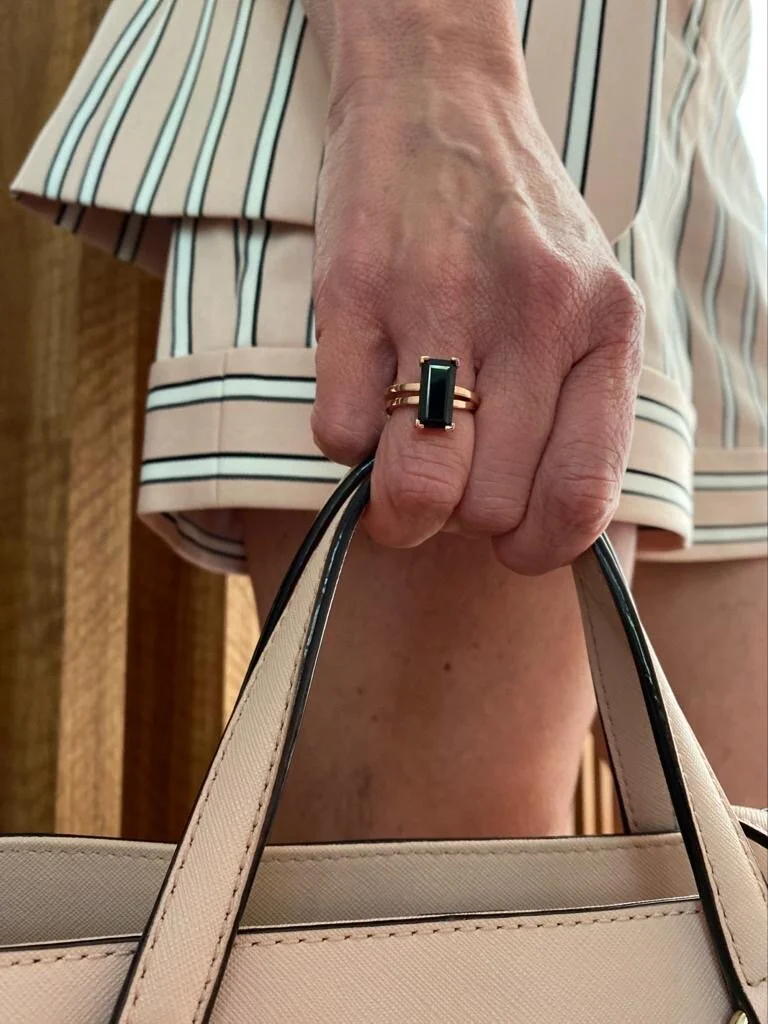
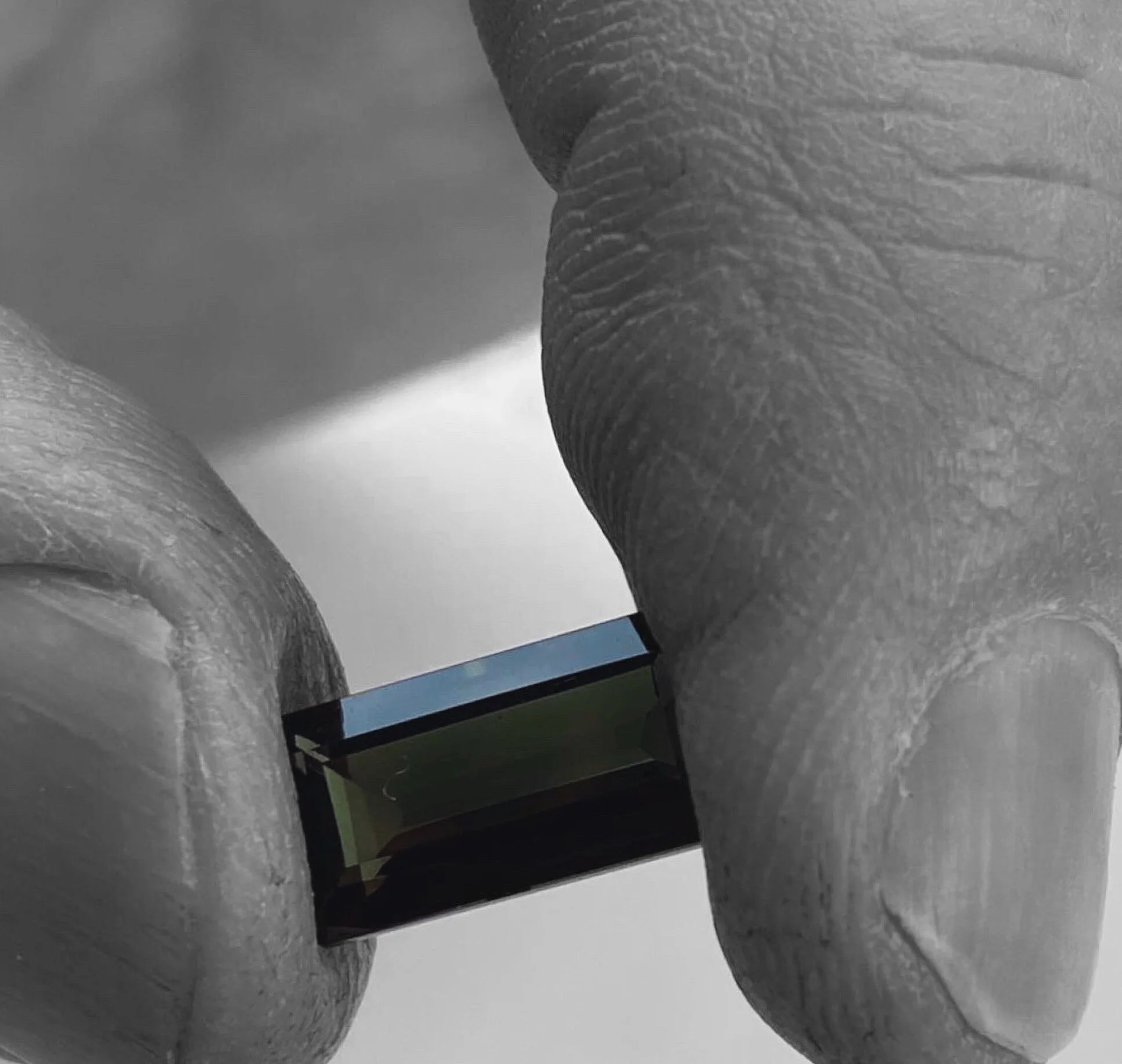
Recently a client dropped in a ring set with a baguette gemstone…a dark olive green tourmaline to be remodelled. The existing design was not allowing the stone to show it full potential. The gemstones dark hue that nestled in a setting of white gold was not presenting itself true, instead of its captivating moody shade of green it appeared almost black.
By the way for those who are a little curious about a baguette gemstone, let me clarify this for you… most people think emerald cut when they see a rectangle gemstone but there is a difference, simply an emerald cut has cut corners and a baguette cut has “right angled” corners, resulting in a rectangular shape.

So where were we?
The brief for the new design…a ring to showcase the complete stone, to bring out it’s true colour and that it be contemporary with simplicity and elegance.
The gemstone with its straight lines, right angled corners and moody shade of deep green presents itself naturally in a contemporary way and after the stone was removed by the jeweller from the existing setting it’s true colour became evident. To enhance the hue even more the new metal colour needs to add a rosy warmth to the stone rather than throwing yellow into it or drawing colour from it and making it super cool. Rose gold it is… decision made.
As the stone consists of multiple straight lines, the concept of styling with fashion stripes is also conceived. They are contemporary, wearable when off-duty or confidently office appropriate, and if styled correctly they ooze elegance….
With the vision of the stones shape representing vertical lines, which elongates the finger beautifully its now time to add horizontal lines on repeat sitting at slightly different heights to create flow in the design while keeping it mod.
Fashion thoughts…style ideas and colours palettes…

Over to the jeweller.
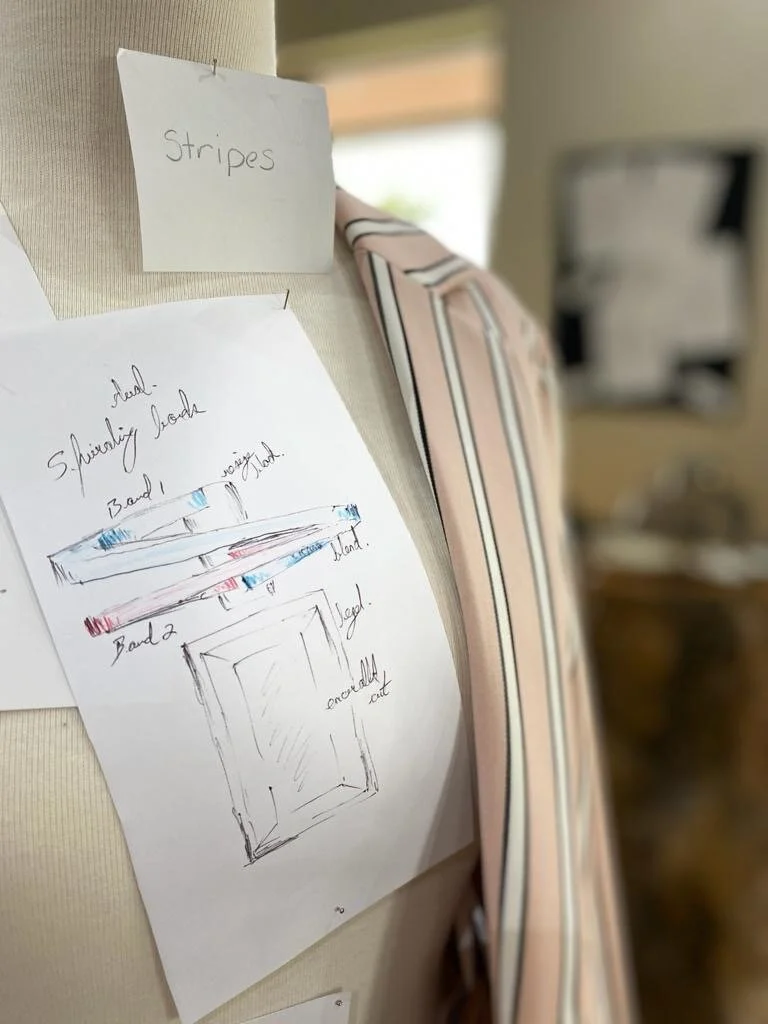
For every challenging brief there is an equally extraordinary journey into design as with the Law of Prägnanz from Gestalt, “closure seeks simplicity” It follows, this will be no ordinary four claw setting. We can see a white
rectangle despite the fact, the image is comprised of a quartet of letter L shapes.
Bridging panels are slotted to allow maximum light penetration above the finger
and flush through from the moody depths. Bearing rails are lower than the gemstone crown to shout out to the girdle and tease with lateral light. The tilt of each claw is just enough for interest but not too much to intrude on the lower pavilion facets. We now invite nature to expose its green self. For a ring, where there is a setting there is a band, or two, with a space element between. On the upper west side, one band can be deep and the other shallow both “striping” parallel around the finger. On the mid-east side lets overlap
in a change of direction just as “stripes” play in the suppleness of fabric. All shoulders will unite at the bridge of the now themed setting and “stripes” converge on the resize block in the basement.
We now repeat in rose gold.
Thank you, always wonderful to hear the jewellers insight into the creation…
Light and dark…metal and stone… both symbols of contrast, telling the story of dramatic structure. Inspired by the opposing elements. Futuristic and minimal aesthetics, layered textural effects. The lines rotating around the finger creating flow with light between and a stone standing still for structure…delicate-hard juxtapositions. Duality is reflected through structure and flow enhanced by texture and pattern.
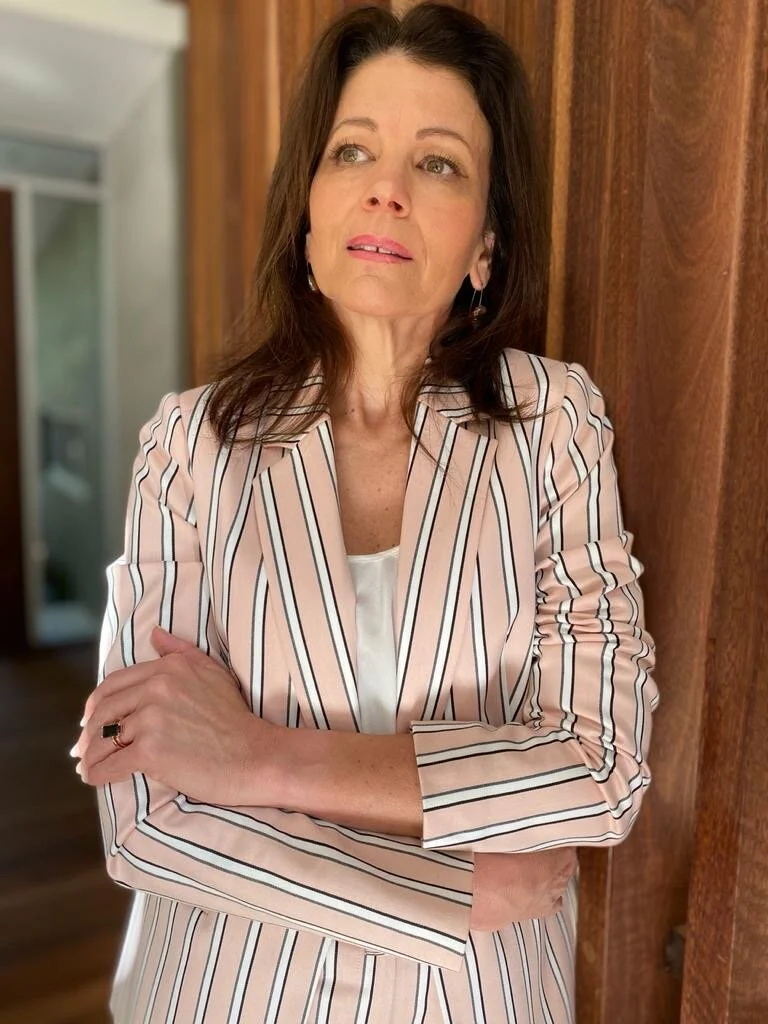
A completed look that demonstrates how a mix of approaches to styling stripes with jewellery can work beautifully together to create a cohesive and compelling look.
Now lets go back to the beginning and take a trip down ‘stripes’ past with Forge Chiffon, to discover how the line on repeat made its relentless mark in fashion…
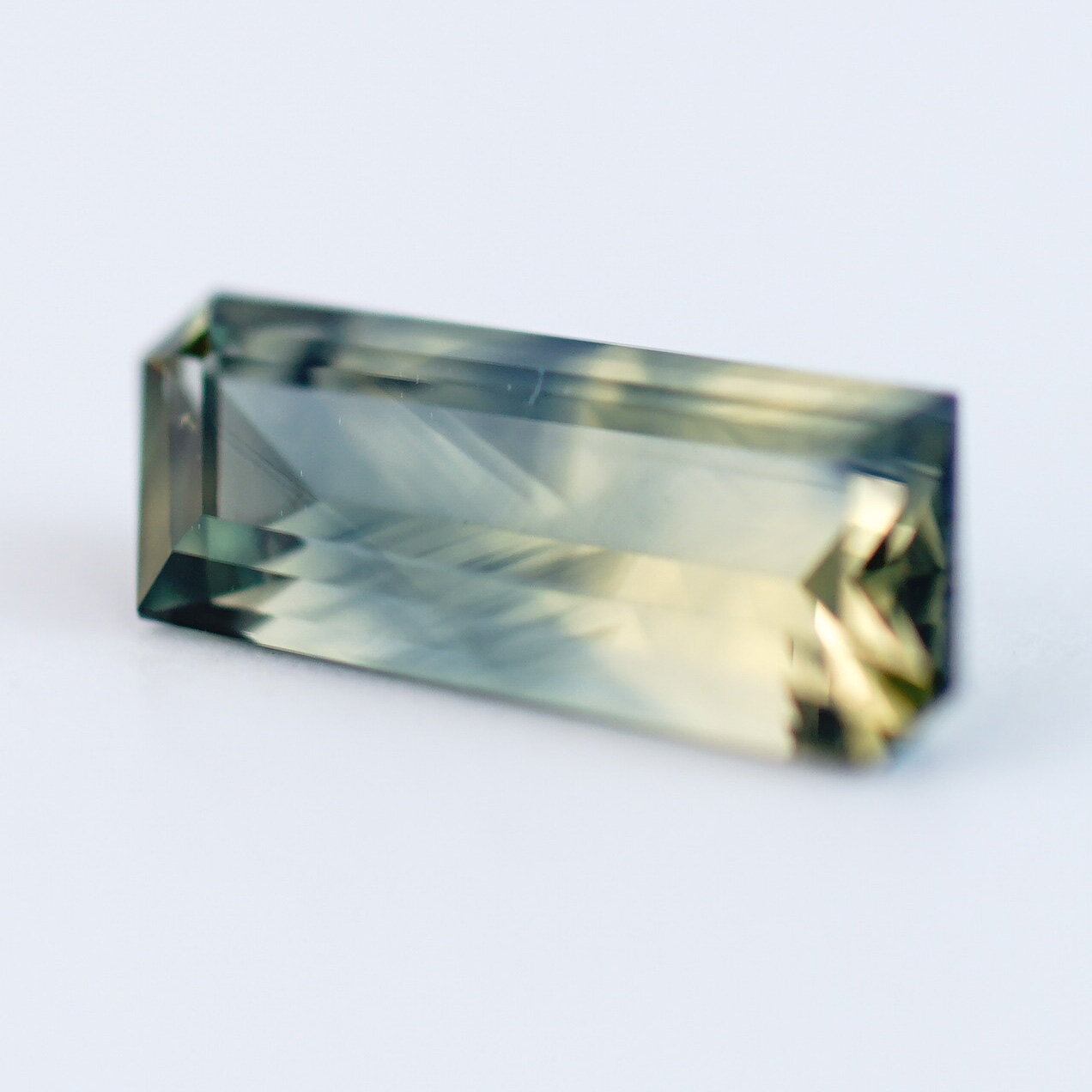
Stone to Style...Parti Sapphires
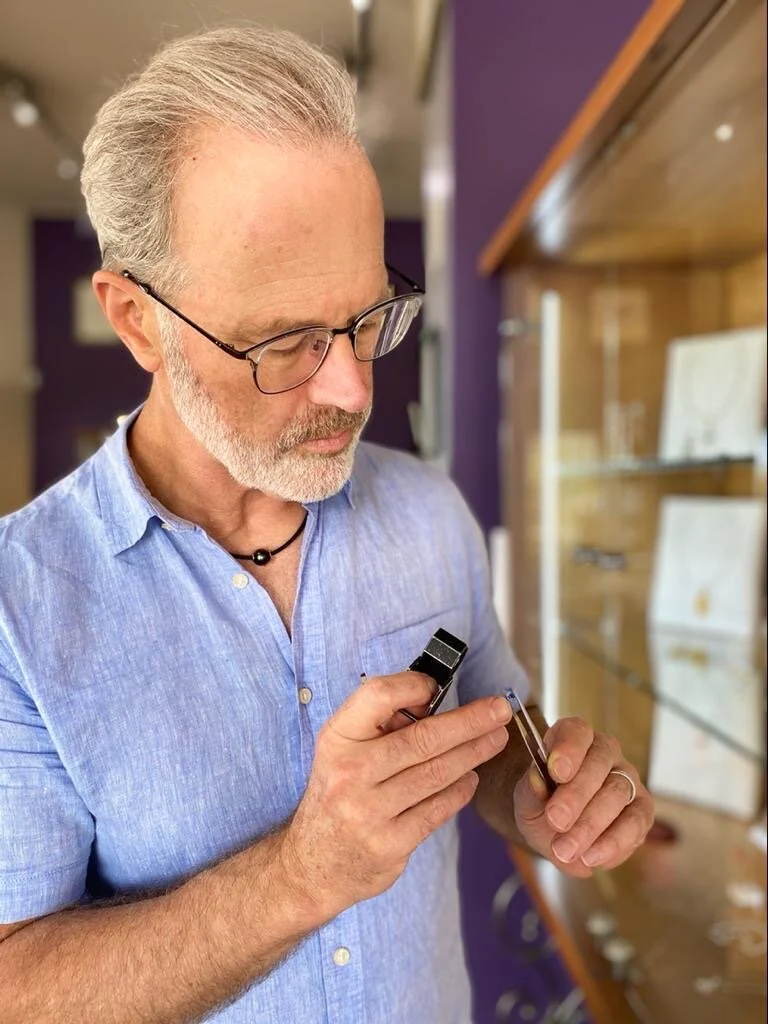
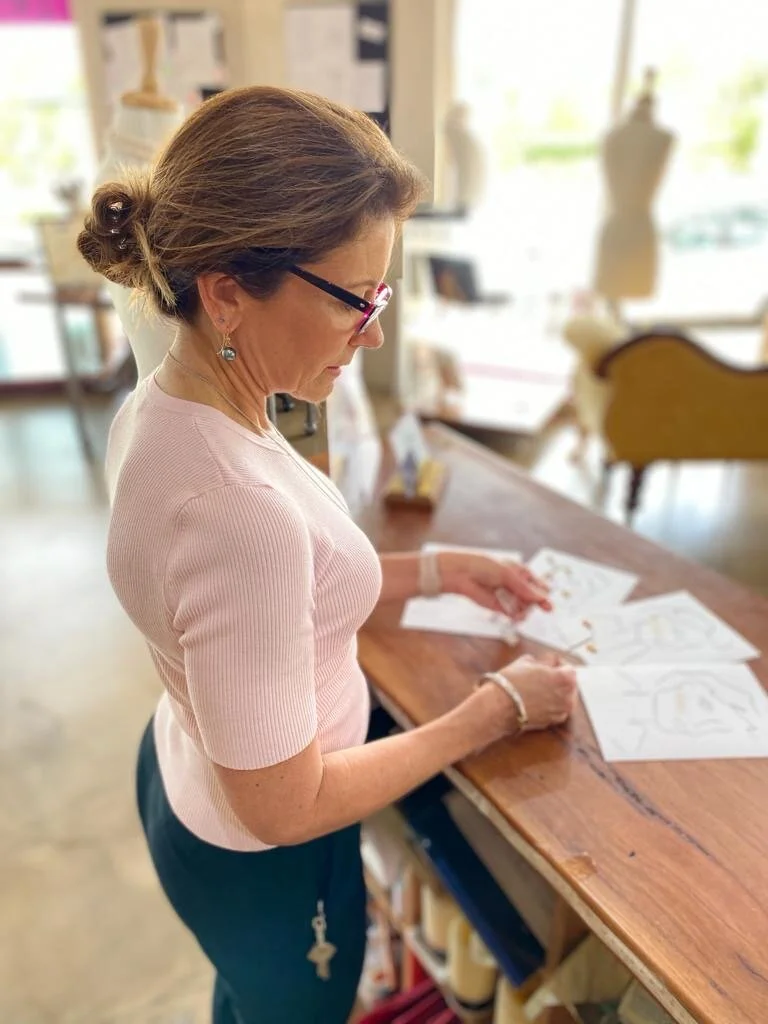
Today we are sitting down with Rob, UMUN Jewellery Studio’s resident gemmologist and Clarisse, Forge Chiffon’s jewellery stylist, to explore the ever-so-fascinating world of sapphires.
Rob and Clarisse, we have previously chatted about classic blue sapphires, but today I am interested in an extraordinary type of sapphire… the parti sapphire.
So let’s begin with the stone…
What is a parti sapphire and where are they mined?
A parti sapphire is a unique gemstone, perfect for those looking for something highly individual. It’s a sapphire that has two or three colours present within the one stone ie. partially coloured. Usually blue, green and yellow due to traces of iron and titanium oxide. Each one totally unique, just like a finger print. Parti sapphires are mainly mined in Australia, However they can also be found in Nigeria, Madagascar and Tanzania.

Which array of colours do they come in?
Usually blue, green and yellow. We also see brownish shades and golden tones.
Are parti sapphires natural or lab produced?
Natural, they are impossible to replicate via lab procedures.
How are they graded and what is their hardness?
Parti sapphires are graded like all other sapphires in terms of carat, cut and clarity, but it is the colour that sets them apart.
All sapphires are part of the corundum family, rating 9 on the Mohs Scale of Hardness, second to diamonds…so a hard gemstone and suitable for everyday wear.
Which cut best showcases the colour?
When selecting a parti sapphire you should choose it on its unique colour pattern rather than shape.
A parti sapphire needs to be cut by a experienced cutter who knows how to get the best out of the stone.
With their unusual colour zones, the gem cutter needs to be able to enhance the colours rather than worry about the carat weight so often we see them in unusual cuts compared to more typical sapphires.


Now onto style….
Which complexions would a parti sapphire best enhance and which metal would you set them in?
There are parti sapphires to suit every complexion.
They can be set in white, rose and yellow metal. Each stone has its own unique colour way so best to consider each one individually.
Which personal aesthetic do they suit and are there any particular colours you would suggest styling them with?
They are a great stone for nature lovers and individuals who like to be unique.
Muted hues and any natural hue will look the best.
With this said, which piece of jewellery would you set a parti sapphire in?
Because the parti sapphire is a hard gemstone, it’s very wearable for rings, earrings, pendants and bracelets.
I think a ring would be a great choice either dress ring or engagement ring. It’s also a great gemstone for the men!
From a style perspective would you suggest a solitaire setting or multi-stone setting for a parti sapphire?
Most of the time I would suggest a solitaire given that each stone is unique in its own right. Making them more challenging to mix together. However, if you are looking for something out of this world and you have the time to wait for the right stones to be found they can look truly amazing set together.
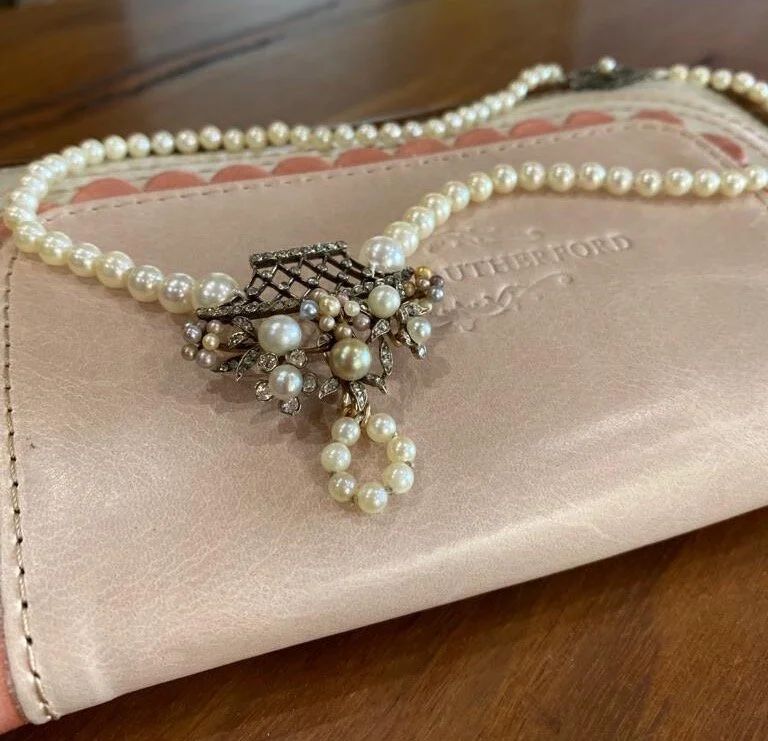
Also parti sapphires look great with pearls.

And lastly to wrap up today’s interview… I am now loving parti sapphires and would like to get something made! Where do I begin?
Book in an appointment, try to make it at around 2pm….this is the best time to view sapphires and let me show you the magic that these beautiful, unique gemstones hold.

Talk to a Registered Valuer
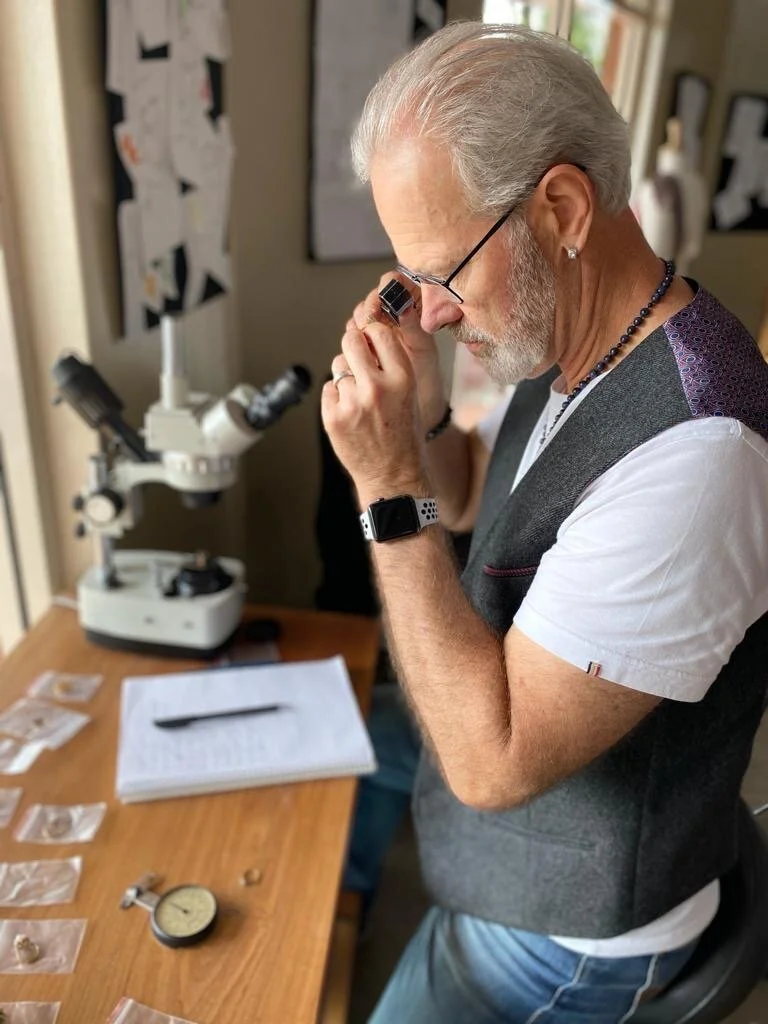
We are back today with another interview with Rob, UMUN Jewellery Studio’s registered valuer to discuss valuations and safeguarding your jewellery.
Let’s dive in shall we!
Why do I need to have my jewellery valued?
For a couple of reasons.
My valuation is a comprehensive description of the item so if you lose, damage or suffer a robbery, then it can be accurately remade.
If you are insuring the jewellery then the valuation provides the amount for cover and in the event of a claim the insurance company will usually require you to prove its true value.
Sometimes the jewellery is recovered after a robbery so the valuation is proof of ownership.
Maybe you will be selling your jewellery so you will need a fair asking price.
Why use a registered valuer?
I am a registered valuer with the National Council of Jewellery Valuers.
To be accredited the council requires me to pass a number of examinations about gemstones and jewellery manufacture so it is a guarantee of my professional ability on top of my lifetime of experience. The council also requires me to show how I invest time & further my knowledge to maintain my accreditation annually.
What does a valuation involve?
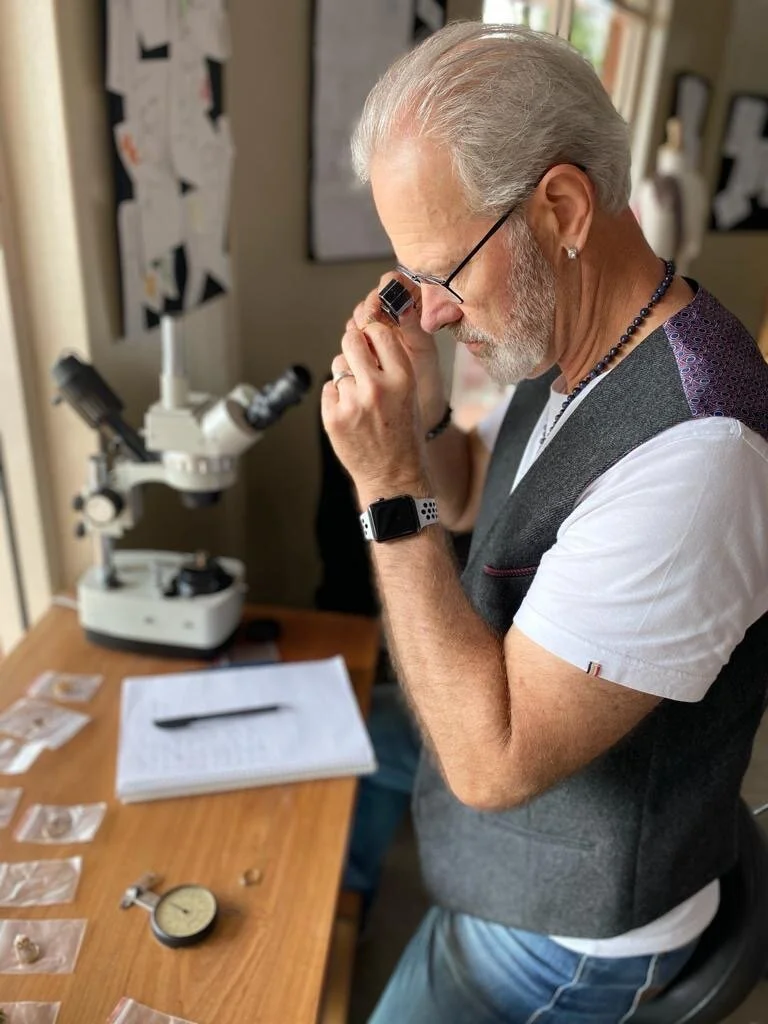
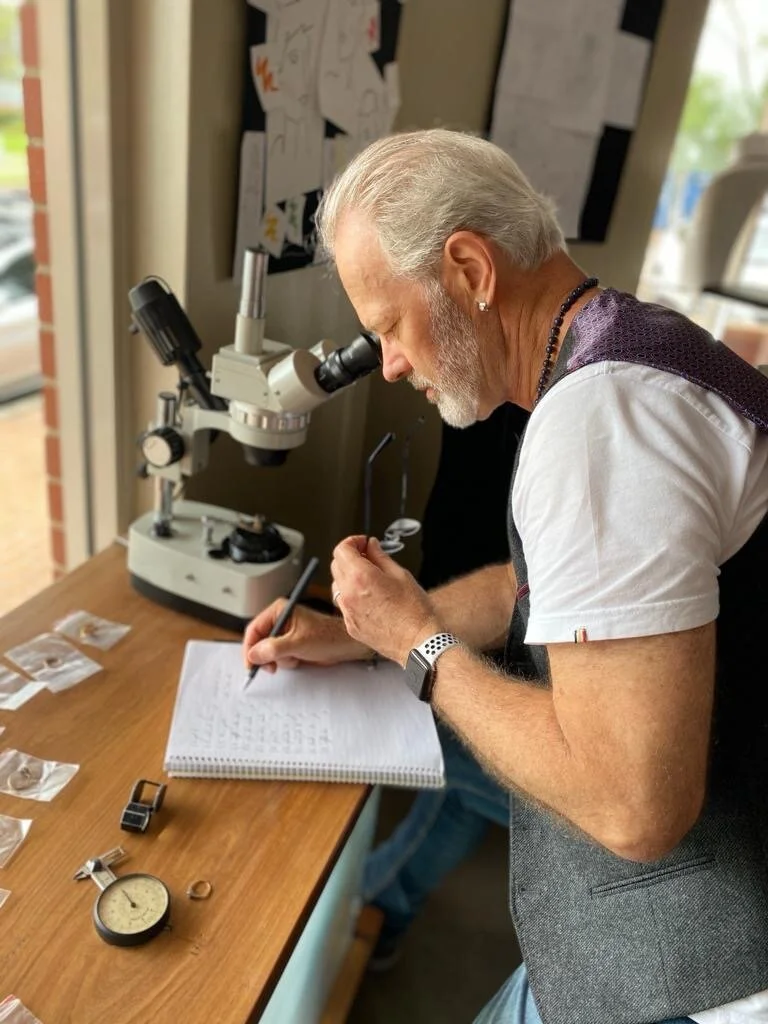
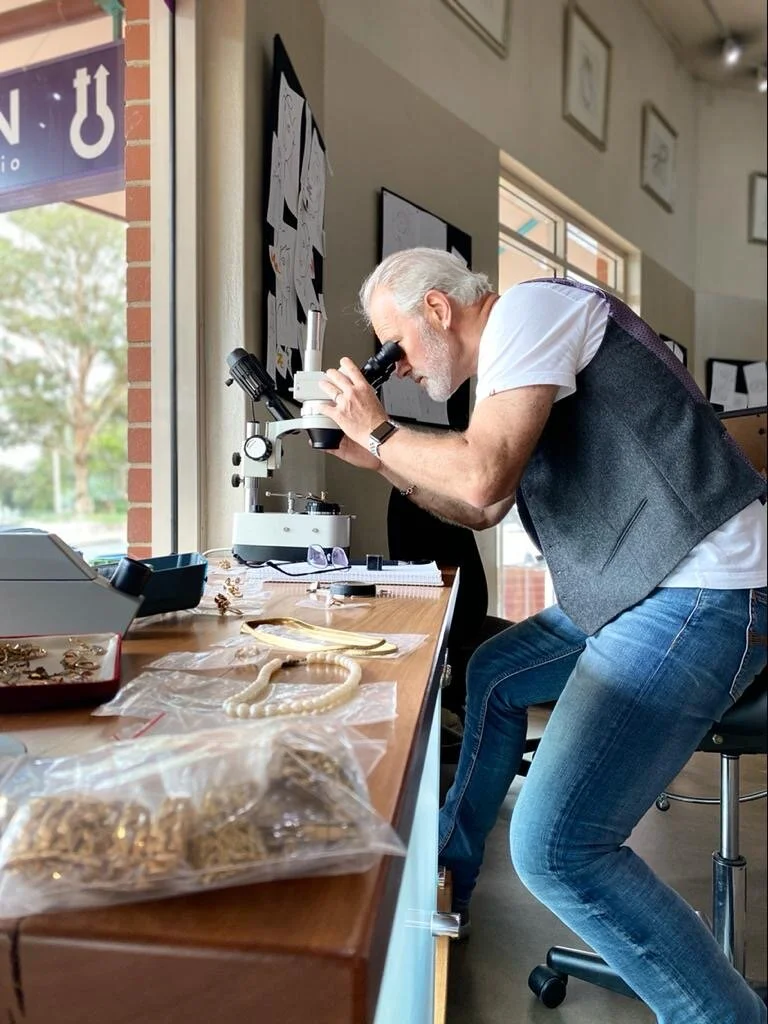
I carefully assess materials, design and manufacturing techniques of each jewel. Then I calculate the value using current market research. I provide a valuation certificate which contains a full description of your jewellery, including gram and carat weights, and a statement explaining the reason for the valuation and the intended market.
Should I bring in any past information that I have on my jewellery?
Yes, any existing documentation is helpful to be as accurate as possible. For example there may be a certificate from a laboratory describing a gemstone that is set into the piece. I do my own calculations and if the result is similar I adopt the information on the certificate. Its much easier to view colours and accurately measure and weigh gemstones before they are set.
How often should my valuations be updated?
I suggest annually as material prices fluctuate daily due to the international pricing structure of gold and gemstones. At the very least every two years to ensure the valuation serves its purpose. Some insurance companies may request up-to-date information.
Why is there a cost for performing a valuation?
A valuation is a legal document that requires expertise and time, sometimes a lot of time to accurately identify set gemstones. I have invested in my studies and some very expensive equipment to provide this professional service. We also have to have a special insurance and subscribe to be a member of the National Council of Jewellery Valuers.
Do you check the settings and clean my jewellery while it’s with you?
Yes, that’s a part of our service here at UMUN. We recommend you drop your jewellery in every 12 months so we can check the settings for wear and tear. This also gives us a chance to give it a sparkle up. Remember most jewellery is worn every day so it does suffer knocks and more wear in spots.
How much time should I allow for the valuations to be completed?
We encourage you to book an appointment in advance and then most of the time we can complete the valuation within the same day. Unless it involves too many items.
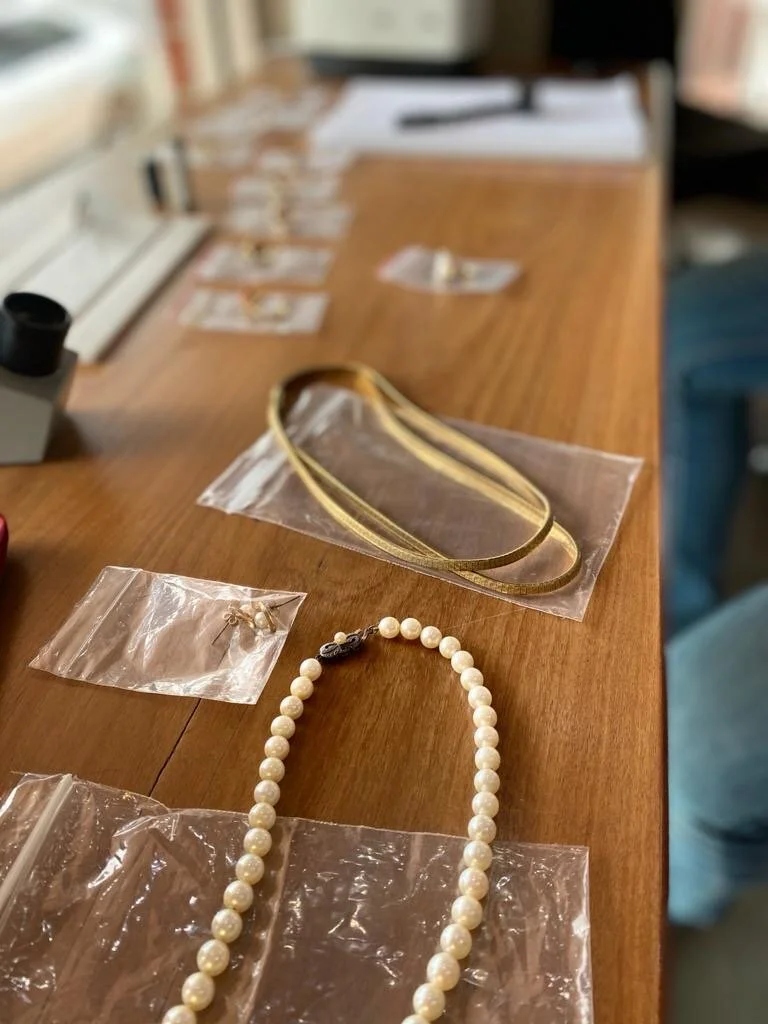
In summary & my last question …What do I receive when the valuation is completed?
“ Firstly clean rings…and importantly you will receive a valuation certificate which contains an itemised description of your jewellery, including gram and carat weights, and a statement explaining the reason for the valuation and the intended market”
Thank you Rob, for giving us an insight into valuations and their importance in safeguarding our beloved jewels. If your jewellery valuations need an update, contact the team at UMUN Jewellery Studio and make an appointment today.
Talk to a Gemmologist... Classic Blue Gemstones
Today I’m pleased to be interviewing Rob, Umun Jewellery Studio’s resident gemmologist.
Today Rob, I would like to have a chat with you about gemstones and their origins.
I’m very aware that the world is full of beautiful gemstones in a wonderful array of colours but today I would really like to focus on the gemstones that come in or are close to this year’s pantone colour…Classic Blue. A hue that we are currently hearing a lot about in the design and fashion world.
Could you tell us here today which gemstones come in or are close to this classic hue?
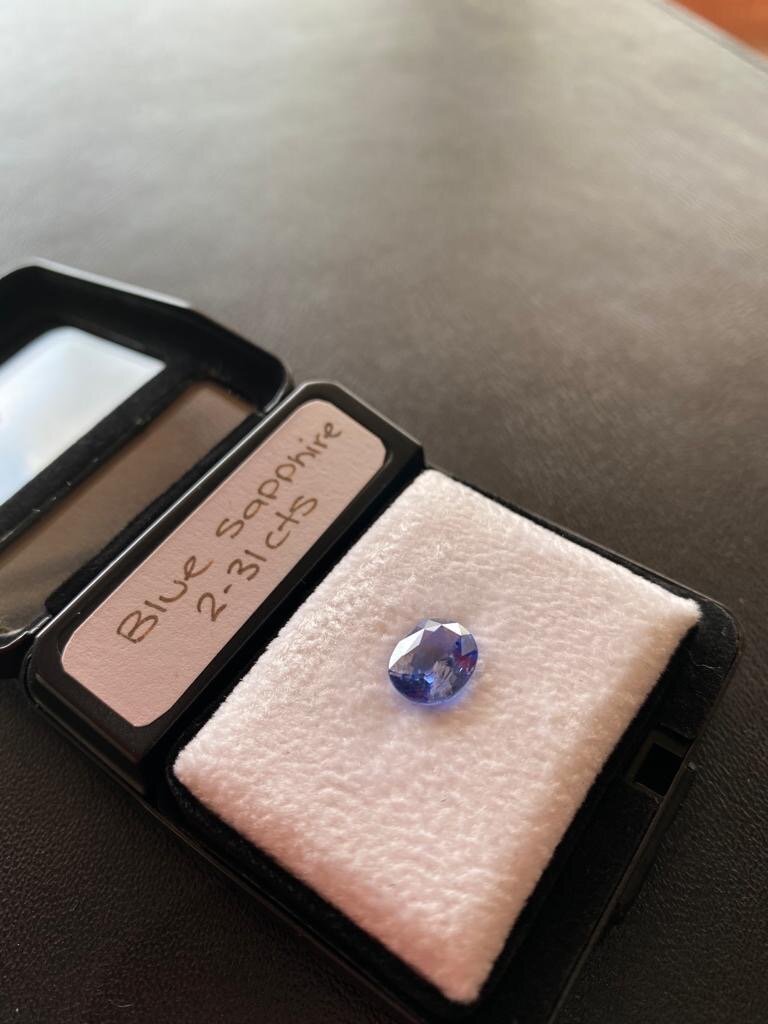
There are a few so here we go, we have the extremely rare pure carbon-blue diamond, corundum-sapphires, zoisite-tanzanite, zircon, tourmaline and from the rock lazurite- lapis.

Where are these gemstones most likely to be mined?
Natural blue diamonds are extremely rare and have been mined in Russia.
Blue sapphires have been found in many countries, with significant deposits of the deepest blues found here in Australia in northern Queensland, though these are usually very dark shades of blue. Beautiful rich premium blues are found in Burma with Si Lanka being home to a wide range and possibly the most favoured of blues from cornflour to royal blue tones. More recently, Montana has come into the market with a wonderful array of blue sapphires, in a slightly different tone again which we are very keen to add to our collection.
Thailand also mines blue sapphires.
The vibrant tanzanite is found in only one place in the world and that’s Tanzania.
Zircon is very rare in classic blue though but has been discovered in Burma, Thailand, Si Lanka and Tanzania.
How about Tourmaline?
When tourmaline is blue it is known as Indicolite, has been found in Brazil and Sri Lanka but is rare in this shade.
Oop’s nearly forgot the beautiful Lapis Lazuli… Lapis is found mostly in Chilli and Afghanistan.
How do gemstones become blue?
Mmmm… the subject of colour is a vast and complex one but basically it all happens in the atomic structure, unique to each gemstone. For example the natural colour pigments in blue sapphire are iron (Fe) and titanium (Ti) that determine the gemstones blueness.
Is there differences in the hardness of the gemstones we are talking about here today?
Yes, there is, diamond is our hardest at 10, (on the Mohs scale of hardness) closely followed by sapphire at 9, then tanzanite, zircon and tourmaline are around 7 with lapis being the softest here today at 5.
Which of these beauties would you recommend if I wanted to have a dress ring designed and made? By the way I would really love to be able to wear this every day?
A blue diamond if you have the budget … haha . A blue sapphire is also perfectly fine.
Everything else is better for occasion wear.
Thanks for your time today Rob…

An important note before I sign off today… looking at all these gemstones and their ever so slightly different tones of blue, there is a blue for everyone from the depths of the hue to the tone of the hue. Make an appointment with Clarisse to discuss all things colour and find the blue for you, or make an appointment with Rob to discuss gemmology a little further!
Jewellery Spotlight : The Anklet
The Anklet….it’s time for this accessory to take the spotlight once again….
If you thought High waisted pants, Doc Marten boots, track pants were the only cult-favourite accessories experiencing a re-emergence from the ‘90s, you’ve now got one additional item to love and add to your accessory collection … the anklet.
Time for this gorgeous little accessory to have a second life… the anklet—once casually worn by the surf-obsessed, lover of the beach girl in either a strung shell type or braided leather.
It is one of those accessories which has once again been adopted with great fervour by the fashion set, the anklet is slowly creeping its way onto many street style regular’s ankles (particularly those of summer loving influences)
A once-forgotten accessory, the anklet in its second offering (AKA the fashion anklet) is no longer an insignificant piece worn south of the calf, just there and largely ignored. Instead, the new revised edition is to be worn to adorn the ankle, adding beauty and elevating any outfit and working it’s magic and enhancing our shoes from the simple thongs to the most exquisite evening heels.
We have even seen the anklet of today walk down the Spring/Summer 2020 runways, giving the trend credibility. To hanging off the back of chain-topped mesh heels, to anklets permanently attached to the shoes.
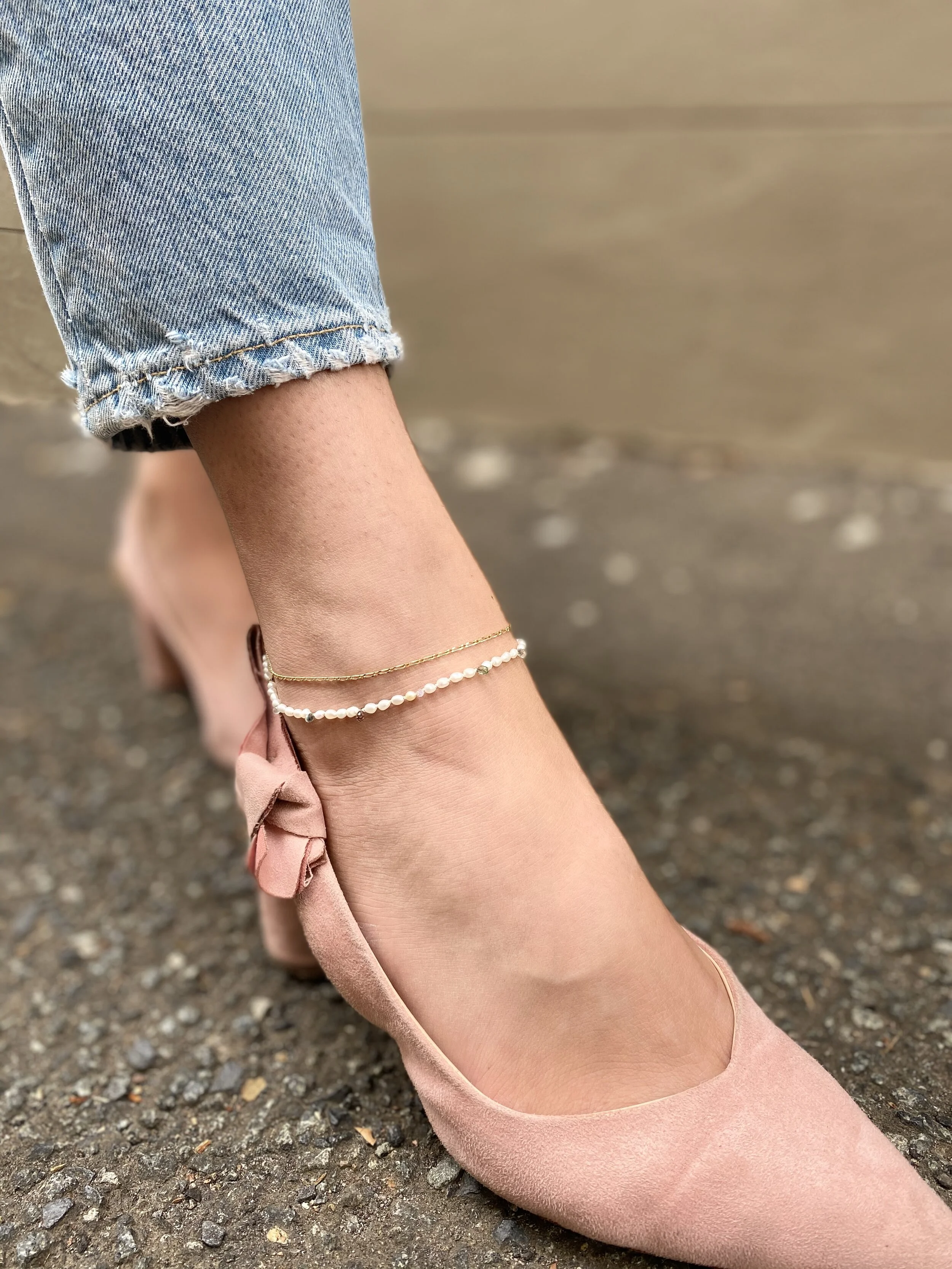
Today you will notice the Anklet in a number of styles beyond their dated counterparts. The fashion anklet—is predicted to become a mainstay piece within your summer 2020 wardrobes—from the daintiest of forms, from a fine chain, through to a slightly more substantial chain link or pearl-strung or even gemstone enhance styles. And for those surf loving girls who can’t quite part with their love of a shell-topped anklet, it is still very much a stylish option.
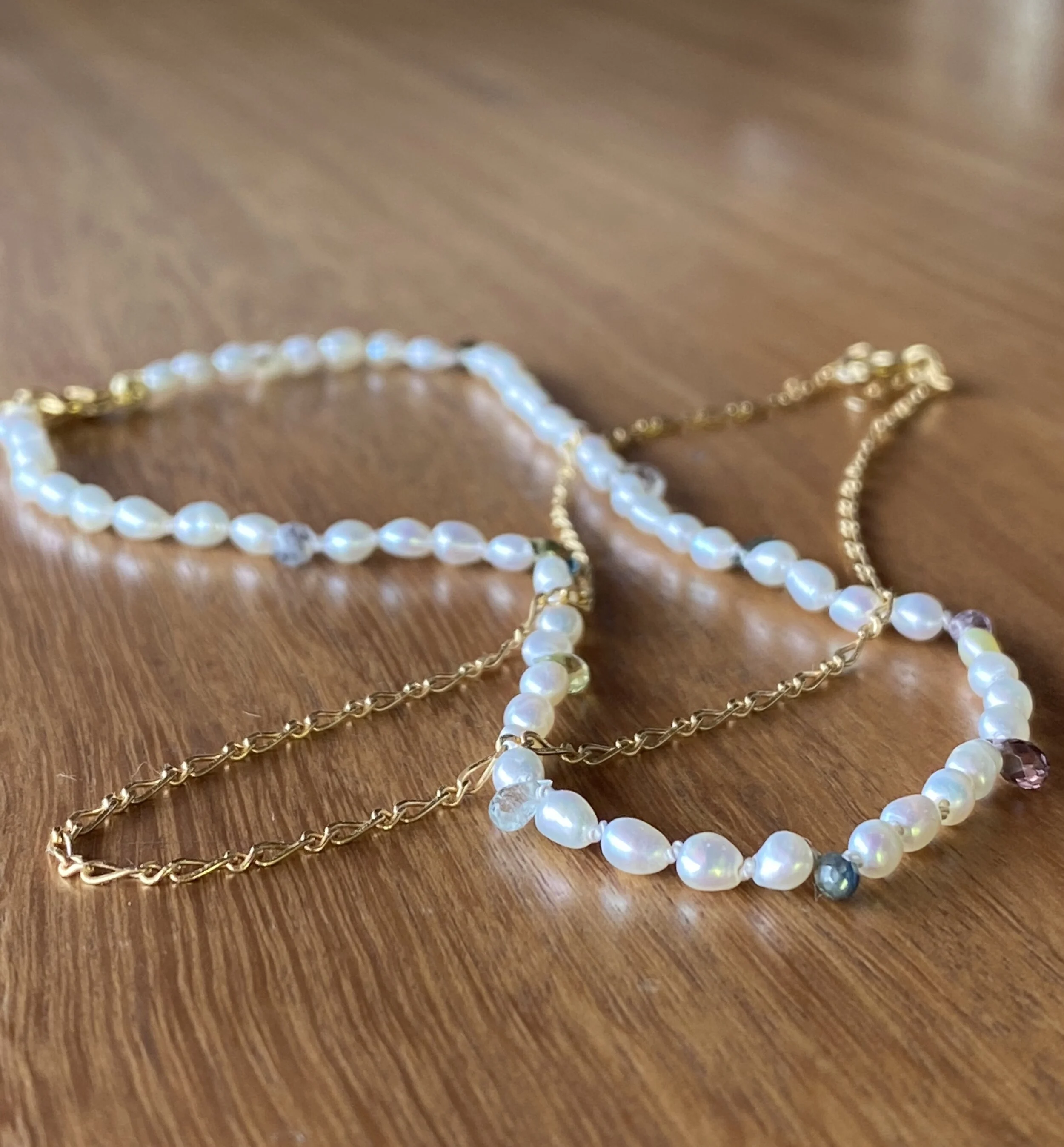

Pair the anklet with a strappy sandal, an upscale mule-style heel, a plain pump, or even a pair of thongs, the simplest styles instantly elevated in creativity to the most elegant of styles enhanced with glamour by adding this oh-so-now addition .
But just as we welcome the return of the anklet, we wouldn’t extend the same enthusiasm to other items of ‘90s foot-focused jewellery—toe rings can remain in their rightful place in the last decade.
Your Look Complete... Colour Your Way : Blue Topaz
Every woman needs a dress ring…
While all jewellery elevates, often the wearer will only see glimpses of her precious pieces throughout the day… as for a ring, it’s a piece that can be adored by others, but also the wearer herself by simply glancing down throughout the day/evening and capturing its beauty.
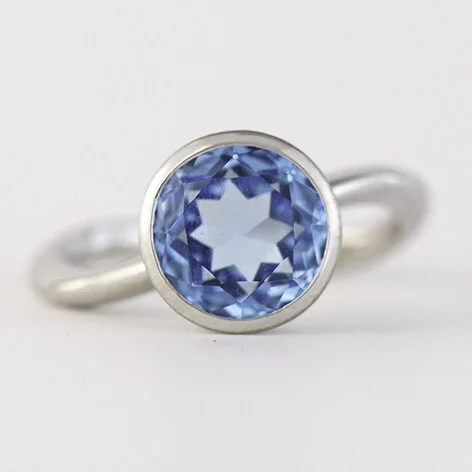
Our blue topaz ring is a statement that simultaneously evokes an overwhelming feeling of tranquillity and calmness through its serene blue hue, enhanced by the flowing movement of the band…. reminiscent of watching the ocean waves gently roll into the shore.
When designing this ring we developed the line of beauty. A centre line that softly curves, creating the infinity band, signifying liveliness and activity. Exciting the viewer and wearer… the eye can’t help but trace the white gold path, delightfully interrupted by the vessel that gently cradles the vibrant blue gem.
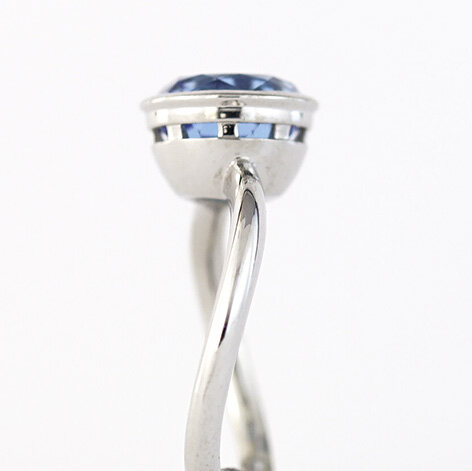
Infinity band side relief
The colour, size and shape of this design captures the attention of all… from the most feminine of romantics to the most modern of contemporaries… even having the ability to captivate our oh-so-extravagant dramatics.
This ring effortlessly elevates ones style… from the most casual of looks to evening wear, or why not pair with one’s sartorial workwear style? Amongst the chaos of the office, a simple glance at this tranquil beauty will allow the mind to wander… with the peaceful blue and streaming contours taking you to a special place or a time, bringing boundless bliss.

Effortlessly elevating work wear style
Come and adorn your finger… with a sparkle that is creative in colour, complementing all and allowing infinite styling potential….
YOUR LOOK COMPLETE WITH COLOUR YOUR WAY
Contact us and book an extraordinary appointment today.